
Home | MyGov

Accessibility
ऐक्सेसिबिलिटी टूल
कलर एडजस्टमेंट
टेक्स्ट साइज़
नेविगेशन एडजस्टमेंट

Reduce Reuse Recycle to Beat Plastic Pollution

Reduce Reuse Recycle to Beat Plastic Pollution
आरंभ करने की तिथि :
Jun 03, 2025
अंतिम तिथि :
Jul 03, 2025
18:30 PM IST (GMT +5.30 Hrs)
प्रस्तुतियाँ समाप्त हो चुके

The Ministry of Environment, Forest and Climate Change (MoEF&CC) in collaboration with MyGov is organising this discussion to invite participants to share their journeys towards ...

The Ministry of Environment, Forest and Climate Change (MoEF&CC) in collaboration with MyGov is organising this discussion to invite participants to share their journeys towards reducing plastic waste and contributions in reducing plastic pollution. Participants are encouraged to discuss their challenges, successful actions, and alternatives they have adopted in their daily lives to beat plastic pollution.

फिर से कायम कर देना
890 सबमिशन दिखा रहा है
Sachin Gupta
Sachin Gupta 1 year 1 week पहले
To effectively beat plastic pollution, we must adopt a 360° approach: Reduce: Ban single-use plastics at local levels and promote biodegradable packaging through subsidies. Reuse: Encourage refill stations for household products and reward citizens for reusable habits (e.g., cloth bags, steel bottles). Recycle: Improve waste segregation awareness, expand recycling infrastructure in rural and urban areas, and support startups in the recycling sector. Additionally, environmental education should be integrated into school curriculums and community workshops. Public-private partnerships can accelerate innovation in plastic alternatives. Let’s make sustainable living a mass movement under LiFE.
Nikita Patel
Nikita Patel 1 year 1 week पहले
At many places the system of separating the dry and wet waste is not working properly. We should create more awareness on this topic and other topics linked to it. like wet waste is used for composting and if any plastic will be left in that waste it will harm to our soils and the purpose will not be perfectly work.
DHANALAKSHMI M
DHANALAKSHMI M 1 year 1 week पहले
Groundwater is polluted. Wild animals eat plastic and die. Rivers and seas are filled with plastic and reach the exit routes. Toxic gases are released when burned, which are also harmful to the human body. What can we do to avoid it? Let's use cloth bags and textile bags. Iron/glass bottles instead of plastic drinking bottles. Wood, soil, and metal materials instead of plastic in homes. We should choose recycled products. Let's act decisively: We must realize that "the change that starts with one person can spread throughout the world." If we can avoid one use of plastic today, we will prevent tens of thousands of plastic wastes tomorrow. Let's avoid plastic use - let's create a green world!
DHANALAKSHMI M
DHANALAKSHMI M 1 year 1 week पहले
பிளாஸ்டிக் பயன்பாட்டால் ஏற்படும் பிரச்சனைகள்: நிலத்தடி நீர் மாசுபடுகிறது. வன விலங்குகள் பிளாஸ்டிக் பொருள்களை தின்று உயிரிழக்கின்றன. ஆற்றுகள், கடல்கள் பிளாஸ்டிக்கால் நிரம்பி வெளியேறும் பாதைகள் அடைகின்றன. சுடும் போது விஷவாயுக்கள் வெளியேறி, மனித உடலுக்கும் தீங்கு விளைவிக்கின்றன. அதைத் தவிர்க்க என்ன செய்யலாம்? துணி பைகள், ஜவுளிப் பைகளை பயன்படுத்துவோம். பிளாஸ்டிக் குடிநீர் பாட்டில்களுக்கு பதில் இரும்பு/கண்ணாடி பாட்டில்கள்.
DHANALAKSHMI M
DHANALAKSHMI M 1 year 1 week पहले
Plastic Recycling Methods: 1. Collection: Used plastic products are collected separately from homes, schools, factories, etc. 2. Sorting: Separation based on plastic types (PET, HDPE, PVC, etc.). This is necessary for recycling. 3. Cleaning: Used plastic waste is washed to remove contaminants, food particles, etc. 4. Shredding and Melting: Plastic pieces are ground into small pieces, then melted and converted into a new shape. 5. Creation of new products: Recycled plastic is used to make new bags, water bottles, drinking water pipes, construction materials, etc. Benefits of plastic recycling: 1. Environmental protection: Plastic is prevented from entering the soil and ocean. Pollution is reduced. 2. Earth's resources are conserved: Natural resources (petroleum, gas) are required to produce new plastic. These are saved through recycling. 3. Energy savings: Less energy is used compared to producing new plastic. 4. Employment opportunities: Many people get employment through recycling
rashmi pandey
rashmi pandey 1 year 1 week पहले
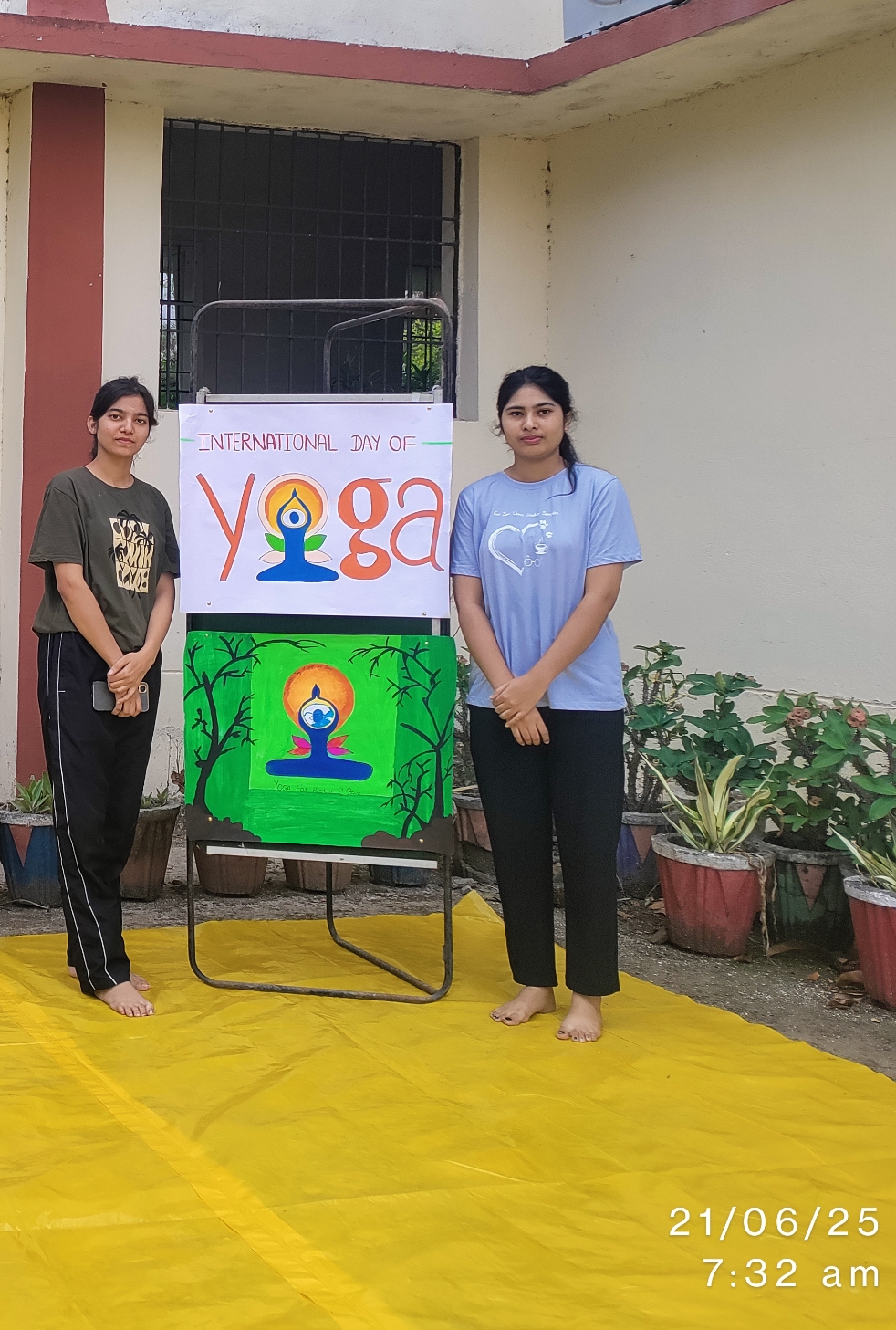
In direction to reduce the plastic , in my college as l am assistant dean students welfare there are many days and event celebration for students, for every programme we used to print a flex banner that was wasted after the event so we started use of paper poster prepared by students. It not only reduced the plastic use but given a chance to students creativity
Gulshan Kumar
Gulshan Kumar 1 year 1 week पहले
To effectively combat plastic pollution, a multi-pronged approach is essential, focusing on reducing plastic consumption, improving waste management, and promoting innovative solutions. This involves individual actions, corporate responsibility, and government policies working in synergy. Firstly, reducing reliance on single-use plastics is crucial. This means actively choosing reusable alternatives like shopping bags, water bottles, and coffee cups. Individuals can also opt for products with minimal or eco-friendly packaging, and support businesses that prioritize sustainable practices.  Secondly, effective waste management systems are vital. This includes implementing robust recycling programs, ensuring proper disposal methods, and investing in innovative technologies to process plastic waste. Governments can play a key role by establishing mandatory recycling targets, offering incentives for recycling, and investing in research for advanced recycling technologies.